CMA Investigation
15 September 2026
The CMA investigation: What does the outcome mean for veterinary nurses?
As the Competition and Markets Authority (CMA) investigation reaches its final stages, it also marks the end of a significant period of scrutiny for the veterinary sector. Throughout the investigation, much of the discussion focused on pricing, practice ownership, transparency and the potential impact on veterinary businesses.
We recognise that many veterinary nurses may be wondering what it means for them and their profession.
In this blog, Senior Vice President Lyndsay Hughes outlines the key areas to be addressed by the CMA as a result of its investigation; diving into what the outcome means for veterinary nurses, how veterinary practice is likely to be impacted, and how interactions with veterinary clients are likely to evolve.
The honest answer is that many of the remedies are aimed at veterinary businesses rather than individual veterinary professionals. In fact, many practices will already be undertaking some – and in some cases most – of the activities that the CMA is seeking to formalise.
However, it would be a mistake to assume that veterinary nurses have no role in the changes ahead.
Whilst veterinary nurses are sometimes viewed as being in the background when major policy or business decisions are discussed, the reality is that we are often central to delivering the very areas that the CMA wants to improve: client communication, informed decision-making, patient advocacy, continuity of care and consumer confidence.
The CMA’s findings also create an opportunity to revisit important conversations about the future of the veterinary workforce, the role of veterinary nurses within modern practice and how we ensure that every member of the veterinary team is able to work to the full extent of their education, skills and competence.
As a profession, we should not view these changes with concern. Instead, we should see them as an opportunity to demonstrate the value of veterinary nursing and ensure that our voice is heard as the profession continues to evolve.
What is the CMA bringing into effect?
The CMA’s investigation focused on improving transparency for pet owners, strengthening consumer choice and confidence, and ensuring clients have access to the information they need to make informed decisions about their pet’s care.
The remedies include:
- Greater transparency around pricing and fees.
- Clearer information about services and treatment options.
- More detailed estimates and invoices.
- Greater transparency around practice ownership.
- Easier access to written prescriptions and information about obtaining medicines elsewhere.
- Enhanced complaints and consumer redress processes.
- Improved information and comparison tools for pet owners.
- Wider recommendations regarding regulatory reform within the veterinary sector.
Whilst many of these measures are directed at veterinary businesses, veterinary nurses will inevitably play a role in how clients experience and understand these changes.
The CMA remedies: What do they mean for veterinary nurses?
Click each of the drop downs below for more information on each area of the CMA’s remedies.
Greater transparency around pricing
What is changing?
Practices will be expected to make pricing information more visible and accessible, helping clients understand the likely costs of services before treatment is provided.
Will this affect veterinary nurses?
Indirectly, yes.
Veterinary nurses frequently discuss treatment plans, preventative healthcare, care plans, hospitalisation and ongoing patient management with clients. Whilst veterinary nurses are not usually responsible for setting prices, they are often asked questions about costs and what a service includes.
As practices review how pricing information is communicated, veterinary nurses may find themselves playing an even greater role in helping clients understand the value of the care being provided and what to expect throughout their pet’s treatment journey.
Many practices are already doing this
For many veterinary nurses, this will simply formalise conversations they are already having every day.
Detailed estimates and itemised billing
What is changing?
Clients will receive clearer estimates and more detailed information about charges incurred during treatment.
Will this affect veterinary nurses?
Potentially.
Veterinary nurses are often involved in patient admissions, treatment planning, inpatient care and discharge discussions. Accurate record keeping and communication become increasingly important when practices are providing more detailed information to clients about the care delivered.
This may also highlight the breadth of veterinary nursing care that is often delivered behind the scenes but not always fully recognised by clients.
Transparency around practice ownership
What is changing?
Practices will be required to provide clearer information about ownership structures and whether they form part of a wider veterinary group.
Will this affect veterinary nurses?
For most veterinary nurses, probably very little.
This is primarily a business-level change and is unlikely to affect clinical responsibilities or day-to-day patient care.
Prescriptions and access to medicines
What is changing?
Clients will receive clearer information about written prescriptions and their ability to obtain medicines from alternative suppliers where appropriate.
Will this affect veterinary nurses?
Possibly more than many people realise.
Veterinary nurses are often involved in dispensing processes, medication discussions, repeat medication checks and client education.
As awareness increases, clients may have more questions about prescriptions, medicine suppliers and treatment options. Veterinary nurses will continue to play an important role in supporting informed decision-making and promoting safe and responsible medicine use.
Complaints handling and consumer confidence
What is changing?
The CMA is introducing stronger complaints and consumer redress processes.
Will this affect veterinary nurses?
Yes.
Veterinary nurses are frequently involved in managing concerns, supporting distressed clients and helping resolve issues before they escalate.
Many of the skills that define veterinary nursing – communication, empathy, professionalism and advocacy – are exactly the skills that support positive client experiences and build trust in veterinary services.
Comparison tools and consumer information
What is changing?
Pet owners will have access to more information to help them compare practices and services.
Will this affect veterinary nurses?
Indirectly.
Clients may arrive better informed, with more questions and higher expectations around communication and transparency.
This creates an opportunity for veterinary nurses to further demonstrate their value as educators, advocates and trusted sources of information.
The most significant opportunity: Regulatory reform
Whilst many of the individual remedies focus on consumer transparency, arguably the most important long-term outcome for veterinary nurses is the renewed focus on veterinary regulation.
The legislative framework governing the veterinary professions was developed for a very different era of veterinary practice. Since then, our profession has evolved significantly, with veterinary nurses taking on increasing responsibility and making substantial contributions to patient care, client education and clinical outcomes.
The CMA has highlighted the need for wider reform across the veterinary sector.
For veterinary nurses, this creates an important opportunity to advocate for:
- Stronger recognition of veterinary nurses as regulated professionals.
- Protection of the veterinary nurse title.
- Greater public understanding of the veterinary nurse role.
- Professional accountability that reflects modern practice.
- A regulatory framework that supports contemporary team-based care.
- Improved career progression and retention within the profession.
- Greater utilisation of veterinary nursing skills and expertise.
BVNA has long championed these priorities and will continue to ensure that veterinary nurses are represented in discussions about the future of the profession.

The veterinary sector cannot address workforce challenges simply by training more people
Alongside transparency and regulatory reform, the CMA’s findings also provide an opportunity to revisit how veterinary services are delivered.
The veterinary sector continues to face workforce pressures, recruitment challenges and increasing demand for services.
Whilst attracting and retaining veterinary professionals remains essential, the solution cannot simply be to train more people.
We must also make better use of the highly skilled professionals already within the veterinary workforce.
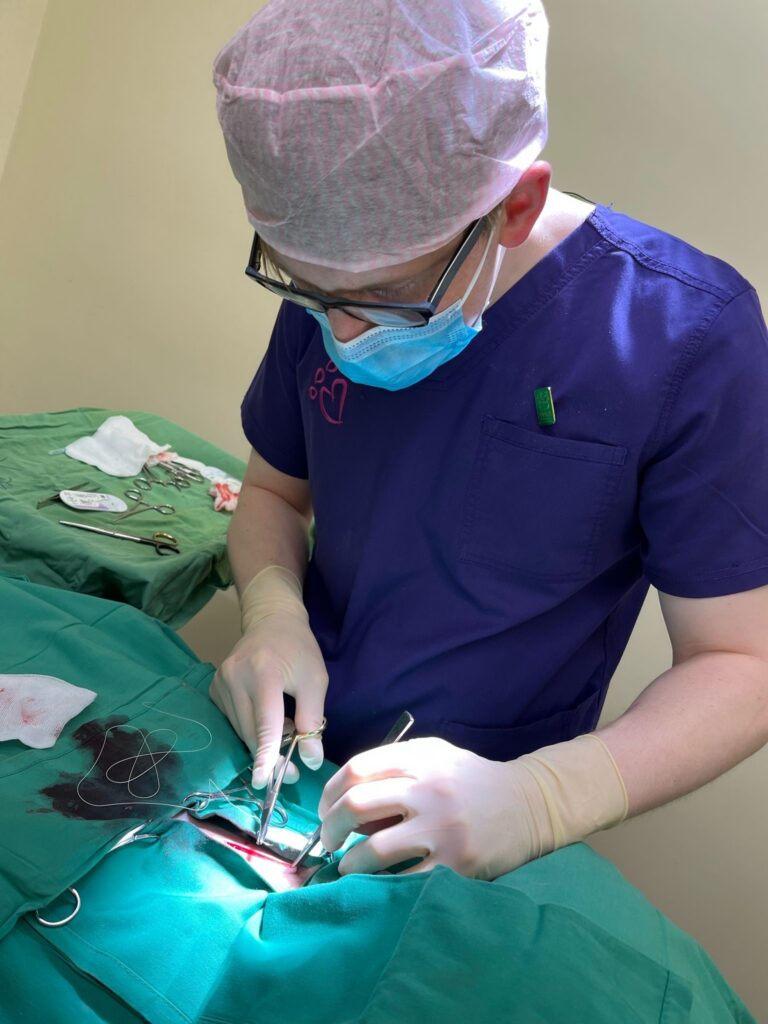
Veterinary nurses are educated, regulated professionals with extensive clinical knowledge, technical expertise and communication skills. Yet many veterinary nurses would recognise that there are still occasions where they are not utilised to the full extent of their competence and capability.
The CMA’s recommendations encourage us to ask an important question:
Are we ensuring that every member of the veterinary team is working at the top of their competence?
Does it always need to be a vet?
As practices adapt to new requirements and increasing client expectations, there is an opportunity to review how work is allocated across the team.
This is not about replacing veterinary surgeons or reducing standards.
It is about ensuring that the right person undertakes the right task at the right time.
We should feel confident asking:
- Does every task need to be undertaken by a veterinary surgeon?
- Does every client conversation require a clinician?
- Could veterinary nurses lead more areas of preventative healthcare and ongoing patient support?
- Are practices making full use of Schedule 3 opportunities?
- Are veterinary nurses being empowered to use the skills they have trained so hard to develop?
In many cases, veterinary nurses are ideally placed to lead activities that improve both patient outcomes and client experience.
Does it always need to be a clinical team member?
The same principle applies beyond the clinical team.
Many of the CMA remedies focus on communication, transparency and consumer information.
Not every aspect of these processes requires a veterinary surgeon or veterinary nurse.
Practice managers, client care teams and administrative colleagues all have an important role to play.
As practices review their systems, there may be opportunities for trained support teams to take greater responsibility for:
- Providing pricing information.
- Explaining practice processes.
- Managing routine enquiries.
- Supporting clients through administrative aspects of treatment plans.
- Signposting available services and resources.
This allows clinical teams to focus on clinical care whilst ensuring clients receive the information they need.
What could this look like in practice?
Every practice will be different, but future models of care may include:
Expanded veterinary nurse-led services
- Preventative healthcare clinics.
- Weight management programmes.
- Senior pet clinics.
- Chronic disease monitoring and support.
- Post-operative follow-up appointments.
- Behaviour and husbandry advice.
- Client education and care-plan discussions.
Better use of Schedule 3
- Greater delegation where appropriate.
- Increased utilisation of veterinary nursing skills.
- Clearer pathways for veterinary nurse-led patient support.
Improved team-based working
- Better use of client care teams.
- Reduced administrative burden on clinicians.
- More efficient workflows.
- Greater focus on utilising individual expertise across the practice.
These changes are not about doing more with less.
They are about recognising and valuing the skills that already exist within veterinary teams.
Looking ahead
The outcomes from the CMA investigation are not simply about pricing, ownership structures or consumer choice.
For veterinary nurses, it is an opportunity to demonstrate the value of the profession and contribute to shaping the future of veterinary services.
Many practices will already be delivering excellent communication, transparency and client support. For others, the remedies may drive changes in how services are organised and delivered.
Either way, veterinary nurses should not see themselves as observers of these developments.
We are central to many of the areas the CMA seeks to improve.
We are advocates for patients and clients.
We are skilled professionals who contribute significantly to the delivery of veterinary care.
And we must continue to have a voice in discussions about how veterinary services evolve in the years ahead.
Because the future of veterinary care will be strongest when every member of the veterinary team is recognised, respected and enabled to contribute fully to the care of animals and the people who love them.
More information about BVNA’s engagement with the CMA investigation can be found here.