Throughout Pride Month, BVNA will raising visibility of individuals making up the LGBTQIA+ community within the veterinary nursing profession.
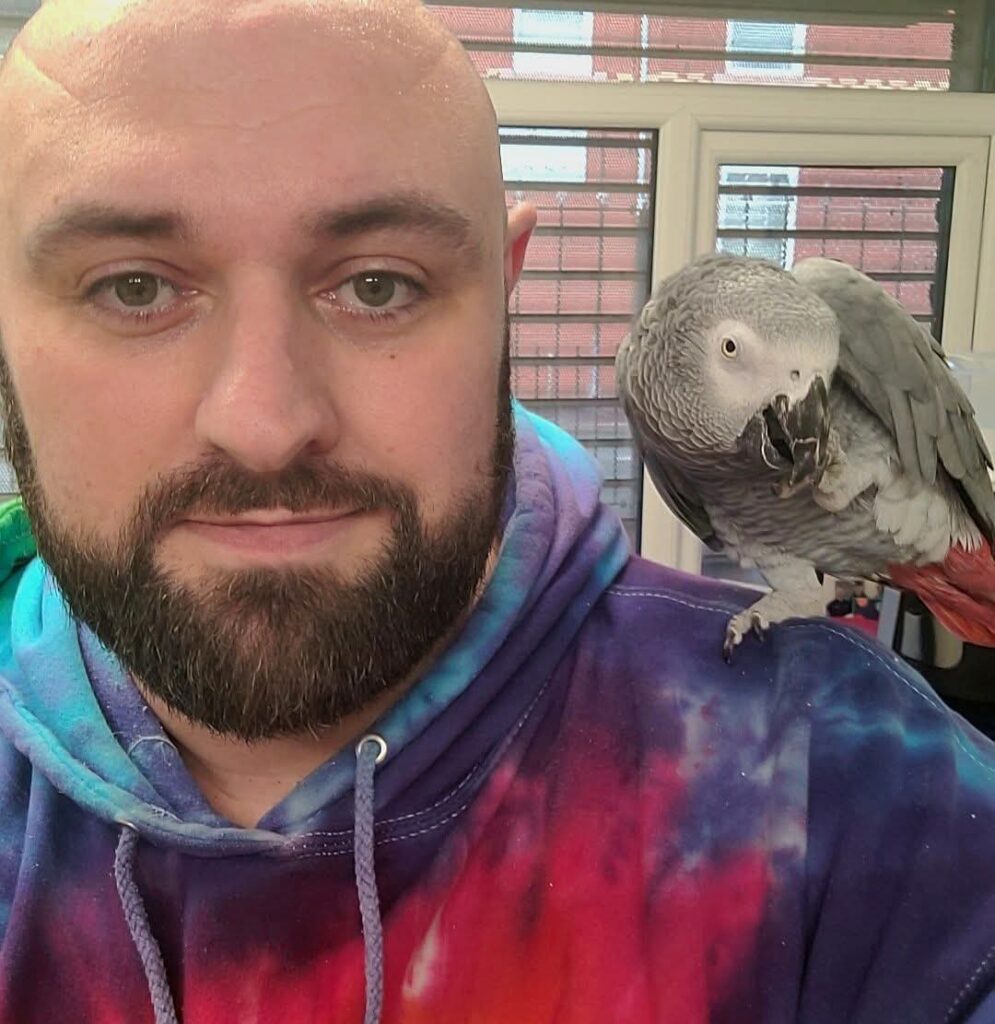
In this blog, we hear from Head Registered Veterinary Nurse Tony Teece, who shares his perception of how both society and the veterinary profession have changed during his career as a veterinary nurse. He also shares how past experiences and stigma have shaped the person he is today – experiences which leave their mark, even as society moves forward.
“As veterinary nurses, we spend our lives caring for those who are vulnerable.
We advocate for patients who can not speak, support owners through difficult moments, and rely on one another as teams.
Compassion is at the heart of everything we do. That same compassion should extend to every member of our profession.”
When I began my career as a student veterinary nurse, I was drawn to the profession because of its compassion. Veterinary nursing is built around caring; for our patients, their owners, and each other. It felt like somewhere I belonged.
Looking back over my career, I’ve seen huge changes, not only within the profession but within society itself.
Early in my working life, I was careful about how I spoke. When talking to new colleagues, I would almost always refer to my “partner.” The word “boyfriend” came much later, once I’d worked out how people might react. That wasn’t because I was ashamed of who I was. It was about self-preservation.
I think that’s an important distinction.
Many LGBTQIA+ people of my age bracket became experts at assessing situations before deciding how much of ourselves to reveal. We learnt to read people’s reactions, weigh up the risks, and decide whether it felt safe to be open. It became second nature.
It wasn’t just at work. Even when my friends and I were going to a gay bar in town, we’d often arrive in male-female pairs, so we didn’t immediately stand out before getting inside. When I tell younger people that now, many struggle to believe it, and we are not talking 100 years ago, it’s less than 20. Thankfully, the world has changed enormously.
But experiences like those don’t simply disappear because society moves forward.
My husband and I have been together for over twenty years. For most of our relationship, marriage wasn’t even an option for us. When it finally became legal, we were proud to marry after two decades together. Yet, even now, we never hold hands in public. I’ve often wondered how much of that is simply who we are, and how much is the result of spending years trying not to draw attention to ourselves.
Sadly, those fears weren’t imagined. Years ago, my husband was assaulted because people believed he was gay. Experiences like that leave their mark. They quietly shape the way you move through the world, often long after the danger has passed.
Despite that, my experience within veterinary nursing has been overwhelmingly positive.
I’ve been fortunate to build a career that I love, progressing from student veterinary nurse to Head Veterinary Nurse. Along the way I’ve completed additional qualifications in areas that particularly interest me, and I’ve had opportunities to mentor colleagues and students, helping others develop their confidence and skills.
I’ve always wanted to be known for my knowledge, my work ethic, and the care I provide, not simply as “the gay nurse.” The great thing is that, nowadays, I feel I can be exactly that. My colleagues are probably more likely to know me as the person who’s obsessed with exotic animals than anything else.
That, to me, is what inclusion looks like.
It doesn’t mean pretending differences don’t exist. It means creating an environment where those differences don’t define how you’re treated. Where mentioning your husband is no different from someone else mentioning their wife. People can bring their whole selves to work without first wondering whether it’s safe.
I sometimes wonder who I would have become if I’d grown up in today’s world instead of the one I knew. Would I be more confident? More openly affectionate? Less guarded? I’ll never know. Those early experiences became part of me.
What I do know is that they also taught me empathy.
As veterinary nurses, we spend our lives caring for those who are vulnerable. We advocate for patients who can not speak, support owners through difficult moments, and rely on one another as teams. Compassion is at the heart of everything we do. That same compassion should extend to every member of our profession.
The veterinary profession has come a long way during my career, and I’m incredibly proud to be part of it. But progress isn’t something we can take for granted. Every workplace where someone feels able to say “this is my husband” without a second thought is worth protecting.
If sharing my experiences helps even one student veterinary nurse feel that they can be themselves from day one, then that’s something worth being proud of.
Thank you, Tony, for being willing to share your experiences with us.
By increasing visibility of the rich diversity within the veterinary nursing workforce, we hope to inspire others and widen participation – whilst demonstrating to those already in the veterinary nursing profession that you are not alone.
To help BVNA to promote a more inclusive, supportive and representative profession, we’d love to hear from those within the LGBTQIA+ community and allies with your experiences. Please get in touch at bvna@bvna.co.uk.