Passion
29 May 2026
From veterinary nurse to veterinary physiotherapist: How eighteen years of nursing shaped everything
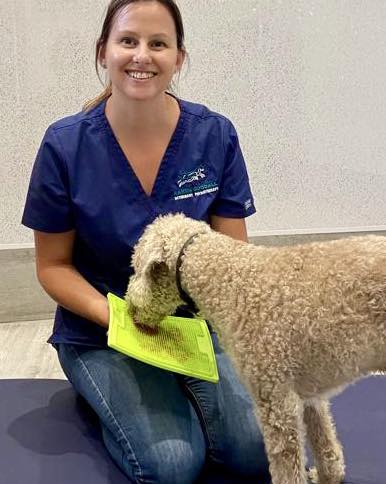
In this blog for Veterinary Nursing Awareness Month, Karen Goodall, veterinary physiotherapist and hydrotherapist, discusses how her veterinary nursing journey gave her everything; clinical knowledge, compassion, the ability to read an animal in pain, and how to stay calm when everything around you is anything but.
Find out more about VNAM here, and how you can get involved this year.
After eighteen years as a registered veterinary nurse, I did not leave because I had fallen out of love with the profession. I left because veterinary nursing had made me want more — for my patients, and for myself.
Throughout my veterinary nursing career, I kept noticing a gap. Animals were coming through surgery, recovering from neurological events, managing chronic orthopaedic conditions — and then going home. The acute phase was managed beautifully. But what happened next? The rehabilitation piece, the bridge between discharge and full functional recovery, felt underdeveloped. I wanted to be the person who filled that gap.
Enrolling on a postgraduate course and qualifying as an independent veterinary physiotherapist was one of the best decisions I have ever made — and thirteen years later, I have never looked back. But I could not have done it, or done it well, without the veterinary nursing foundation beneath me.
That eighteen years of RVN experience informs every single assessment I carry out. When a patient arrives following cruciate surgery, whatever technique was used, I understand exactly what they have been through in theatre and in recovery. When an IVDD dog comes to me post-operatively, I know the clinical picture their surgeon was managing, the decisions that were made, and what the body has been through at a cellular level. That understanding changes how I approach the animal, how I communicate with the owner, and how I build a rehabilitation plan that is genuinely tailored to that patient’s journey — not just their diagnosis.
The empathy piece matters just as much. Owners who come to physiotherapy are often exhausted — they have been through a frightening experience with their pet and are now navigating a recovery process they do not fully understand. My veterinary nursing background means I know how to sit with that. I know how to explain things clearly, acknowledge fear without amplifying it, and make people feel that their animal is truly seen and cared for.
I now own and run a small animal veterinary physiotherapy clinic in Rotherham and have had the privilege of taking on clinical educator and teaching roles at the University of Nottingham. Over thirteen years in this role, it has been genuinely heartening to see physiotherapy and rehabilitation become more widely recognised as an integral part of animal care. Attitudes are shifting, referrals are increasing, and outcomes are better for it. But there is still more work to do — rehabilitation should be a routine part of the conversation after every surgery, every neurological event, every chronic diagnosis. We are not there yet, and education remains the key.
Veterinary Nursing Awareness Month celebrates the diversity and impact of this profession, and I hope my journey reflects something important: that the skills veterinary nurses build — clinical, emotional, and human — do not stay within the walls of practice. They travel with us, wherever we go next.
Karen Goodall, Veterinary Physiotherapist and Hydrotherapist