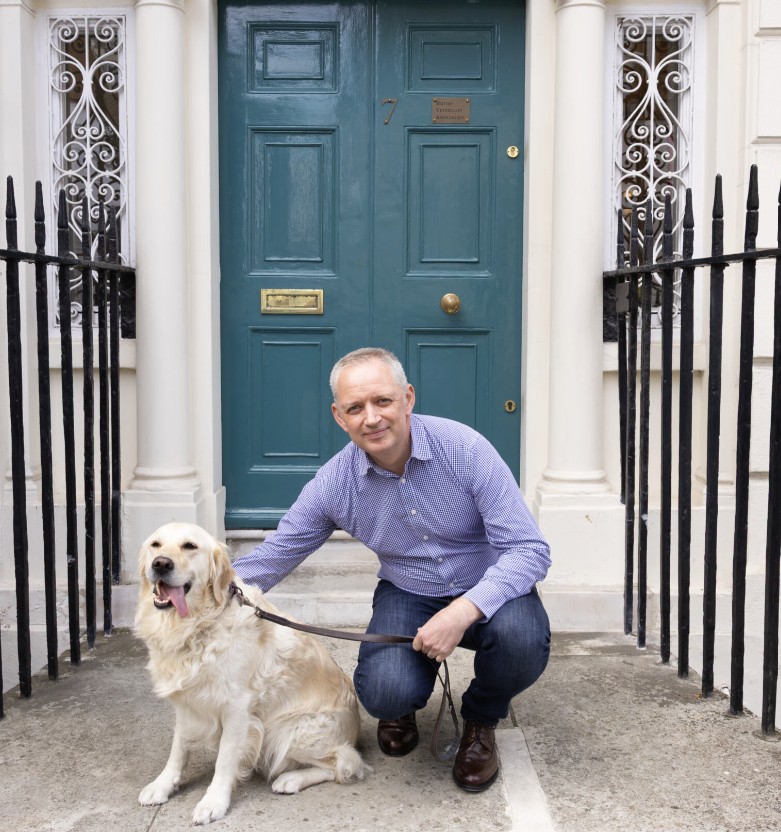
BVA President Dr Rob Williams MVB MBA CMgr FCMI MCIPD MRCVS
The state of the RVN profession
RVNs are a vital part of any veterinary practice and play a central role in shaping, sustaining, and influencing the working culture of their organisation. Positioned at the intersection of patient care, client communication, and team coordination, they are uniquely placed to both experience and actively shape workplace culture. However, research suggests that there can be a lack of confidence or support within the role to make truly authoritative decisions, which can limit their ability to fully contribute to cultural leadership within teams and to exercise appropriate clinical autonomy in areas such as patient monitoring and triage.
In the RCVS 2024 Survey of the Veterinary Profession [1], a lack of support from management was a newly cited reason for wanting to leave veterinary work within the next five years, with 32% of those looking to leave stating this as part of their rationale. At the same time, 27% of respondents chose ‘workplace culture’ as a reason for wanting to leave. These findings reinforce the close relationship between workplace culture and retention while also highlighting the need to recognise RVNs as accountable clinical professionals contributing directly to patient care and safety.
Furthermore, the survey highlighted that wellbeing of veterinary nurses was below average compared with the wider population. Using the Warwick-Edinburgh Mental Wellbeing Scale, the average score across all vet nurse participants was 44.1. This was noted as a concerning decrease in comparison with 2019 (46.2) and 2014 (47.5). This decline underscores the need for cultural interventions alongside recognition of the clinical pressures underpinning this decline.
A role with purpose
These stressors combined with external pressures from the Competition and Markets Authority (CMA) investigation into veterinary services for household pets paint a somewhat negative picture. However, there are a lot of positives as well as opportunities to make positive changes. The survey found that 42% of vet nurses would choose their career again given the opportunity. After working with animals (94%), making a difference (64%) and job satisfaction (49%) were the top-ranking reasons for working in the profession, demonstrating fulfilment and pride amongst respondents [1]. This strong sense of purpose is a key cultural asset within practices and is reinforced through both their cultural influence and delivery of high-quality clinical care, including anaesthesia monitoring, recovery support, and nursing care planning.
Bringing about change
With the figures showing a large number of RVNs plan to leave the profession in the next five years, what can RVNs themselves do to improve their working environments for the whole team? Recognising RVNs as active contributors to workplace culture is an important starting point. Having honest conversations about how people feel about work, identifying areas for development, and offering alternative methods of working can make a big difference without the need for vast investment or resource. Through these everyday actions, RVNs can influence team dynamics, communication norms, and morale as well as advocating for improvements in clinical protocols and workflow efficiency.
Whilst starting these things may seem daunting, there are initiatives that support and encourage good working culture which may be an option for teams looking to improve their workplace’s wellbeing and culture. Importantly, these initiatives can amplify the voice and impact of RVNs, across both workplace culture and clinical standards.
Where RVNs can make a difference
RVNs are central to the functioning and culture of veterinary teams, often acting as informal leaders, role models, and connectors across different parts of the practice. They can help shape the focus of a workplace, across both non-clinical initiatives and clinical leadership areas such as infection control, patient safety, and mentoring junior staff.
Many vet nurses are looking to Great Workplaces by BVA; an accreditation scheme that celebrates, and helps support, veterinary teams, enhancing positive working culture [2]. Positive culture supports stronger staff retention, which is an important consideration when viewing veterinary practices under a business lens. The State of Global Culture Report 2024 [3] found that employees are four times more likely to stay in an organisation with good working culture. It also found that 57% of people working in negative cultures were actively looking to leave. Veterinary workplaces can’t ignore how much investing in team culture could cement a consistent team. Developing positive culture is far more than just a wellbeing initiative, it is a strategic necessity.
The Great Workplaces by BVA initiative is for every member of the vet team and has been spearheaded by a number of RVNs in various practices, demonstrating that cultural leadership is not limited to formal management roles while complementing their existing clinical leadership responsibilities.
Feeling supported, empowered, and autonomous at work should be the norm, but we know from various data and anecdotal evidence that this isn’t often the case amongst vet teams. In BVA’s Spring 2024 Voice of the Veterinary Profession [4], 1 in 8 vets described their workplace as ‘not a good place to work’. On the flipside, those who are part of thriving teams are not always recognised due to the increasing external pressures the profession is facing, therefore validation of a job well done is crucial for team morale. Great Workplaces uses an evidence-based framework (Figure1) to do both these things; support those who need it and celebrate the ones that are already achieving healthy workplace environments [2].
How can accreditation benefit work-life?
Accreditation can feel like a big additional task to add into the daily workload and it can be unnerving to invite an outsider to assess and analyse your workplace. Great Workplaces was built for veterinary teams and is deliberately designed to feel empowering rather than onerous or like a tick-box exercise of relentless paperwork and policy-proving. For RVNs, it offers a structured way to have their perspectives heard and to influence meaningful change within their practice. The majority of the work is conducted by accreditors who use their lived experience in the vet field to assess and understand each workplace and then share outcomes, suggestions, and useful information for all the team to consider. There is a focus on long-term support and slow embedding of cultural shift, rather than a ‘quick fix’ approach that risks being inauthentic and not sticking.
Westport Vets, based around Edinburgh, embarked on Great Workplaces accreditation – achieving Silver status – and had RVN and Operations Director, Fiona Leathers, at the helm of the process. She says: “Don’t be afraid of what it might uncover. It’s a great way to truly understand your team’s needs and to continue building a workplace that supports everyone. We’ve seen real benefits from it.”
Fiona goes on to share how important taking responsibility for cultivating a good team dynamic is: “You’ve got to create the practice you want to work in. We spend so much time at work; you have to make it a place where people want to be. You don’t want to cling on to people due to adversity. Looking after your team is tantamount to having a great workplace.” Her perspective highlights the influential role RVNs can play in setting expectations and driving positive cultural norms within their teams.
Great Workplaces starts with an anonymous survey of all team members which provides a quantitative starting point for the accreditor. Then, in-person conversations are scheduled around the workplace rota so that the accreditor can get a true feel for the work environment as well as drill down into the results and themes from the initial data. Once all that is collated, the range of information is analysed and a comprehensive feedback report is shared and discussed with the leadership team, though accreditors encourage workplaces to share the topline findings with everyone. This inclusive approach ensures that RVNs are not only represented in the data but are part of the ongoing conversation around improvement.
Claire Fisher, RVN and Director at Burghfield and Goring Veterinary Surgeries said: “The feedback meeting provided constructive insights that were genuinely helpful. We’ve incorporated these into an action plan that we review regularly in our practice meetings, ensuring continuous improvement. This accreditation is fantastic for celebrating positive workplace culture, but it’s also a great tool for tackling challenges. For us, the recognition has been invaluable, and the process itself has driven real improvements.”
Looking ahead
The challenges facing the veterinary profession are clear, but amongst the pressures there is a real opportunity to shape something better. RVNs, positioned at the heart of their teams, have a unique ability to inspire the day-to-day experience of those around them. As both key beneficiaries of good workplace culture and critical players in shaping it, their role is vital to building resilient, supportive, and effective teams. By encouraging open dialogue, advocating for their colleagues, and engaging with structured approaches such as Great Workplaces by BVA, they can help create workplaces where people feel heard, supported and able to do their best work.
Importantly, this does not require large-scale change overnight. Small, consistent actions can lead to meaningful and lasting improvements. Empowering RVNs to take ownership of cultural change, alongside providing them with the support to thrive within it, creates a mutually reinforcing cycle of improvement in which stronger clinical autonomy, evidence-based practice, and governance frameworks enhance both team wellbeing and patient care. As practices continue to navigate ongoing pressures, investing in team culture and wellbeing is not just a ‘nice to have’, but a vital part of sustaining the professions. In strengthening our teams, we ultimately strengthen the care we provide, ensuring a more positive future for both veterinary professionals and the patients we care so much about.

References
- Campbell B, Plowden Roberts C, Robinson D. The 2024 Survey of the Veterinary Nursing Profession [Internet]. Institute for Employment Studies ; 2024 Oct. Available from: www.rcvs.org.uk/sites/default/files/2026-02/2024-report-survey-of-veterinary-nursing-profession%20%282%29.pdf
- BVA Great Workplaces Available online: https://www.bva.co.uk/great-workplaces/
- SHRM. The State of Global Workplace Culture [Internet]. 2024. Available from: https://www.shrm.org/content/dam/en/shrm/research/the-state-of-global-workplace-culture-2024.pdf
- British Veterinary Association. Views from our members [Internet]. British Veterinary Association. 2026. Available from: https://www.bva.co.uk/take-action/voice-survey/views-from-our-members/