In this blog for Veterinary Nursing Awareness Month, Lyndsay Hughes, BVNA Senior Vice President, discusses how veterinary nursing has evolved significantly over the past decade, yet in many practices across the UK, the full potential of registered veterinary nurses (RVNs) are still not fully realised.
With increasing pressure on veterinary teams, growing client expectations, and a stronger emphasis on preventative care, there has never been a better time to develop structured veterinary nursing services within practice and raising awareness of what veterinary nurses can actually do!
Find out more about VNAM here, and how you can get involved this year.
As we know, veterinary nurses are highly trained professionals with a defined scope of practice. Our role extends far beyond assisting in surgery; we are central to patient monitoring, client education, and ongoing care. By embedding nurse-led clinics into daily practice life, veterinary teams can deliver more consistent, thorough, and proactive care to our patients.
Nurse-led clinics provide a dedicated space for preventative healthcare and chronic disease management. Rather than focusing solely on acute illness, these clinics allow us as veterinary nurses the opportunity to build relationships with clients and support them over time. For example, a common nurse-led clinic is weight management clinics. These are an often overlooked, incredibly valuable service, particularly as obesity remains one of the most common health concerns in UK pets. Through regular weigh-ins, body condition scoring, and tailored nutritional advice, we can guide owners towards sustainable lifestyle changes for their animals. These clinics not only improve patient health but also foster accountability and ongoing engagement from clients.
Similarly, we can use this model to look at chronic disease monitoring clinics – such as those for diabetes, renal and urinary conditions, or arthritis – highlighting the clinical value of veterinary nurses. In these settings, veterinary nurses play a key role in supporting treatment compliance, educating owners on medication administration, and identifying early warning signs of deterioration. This continuity of care is invaluable – it ensures that patients are not only treated, but actively managed throughout their lives. The value of veterinary nurses’ expertise in this area of client and patient support is often overlooked, and this knowledge is taken for granted by clinical teams.
Puppy and kitten clinics often seem simple but offer another opportunity to utilise veterinary nursing skills effectively. These early life consultations are not just about basic checks; they are a chance to shape long-term health outcomes. By advising on nutrition, behaviour, parasite control, and preventative healthcare, veterinary nurses help set both pets and owners up for success. Importantly, these interactions also build trust, making clients more likely to engage with the practice in the future; ultimately recognising the role of veterinary nurses from the outset of their pet’s life.
Dental care clinics further demonstrate the preventative power of nurse-led services. Dental disease is often under recognised by owners, yet it has significant implications for overall health. Veterinary nurses are ideally placed to educate clients on home care, demonstrate techniques such as tooth brushing, and identify early signs of disease. This proactive approach can reduce the need for more invasive procedures later on.
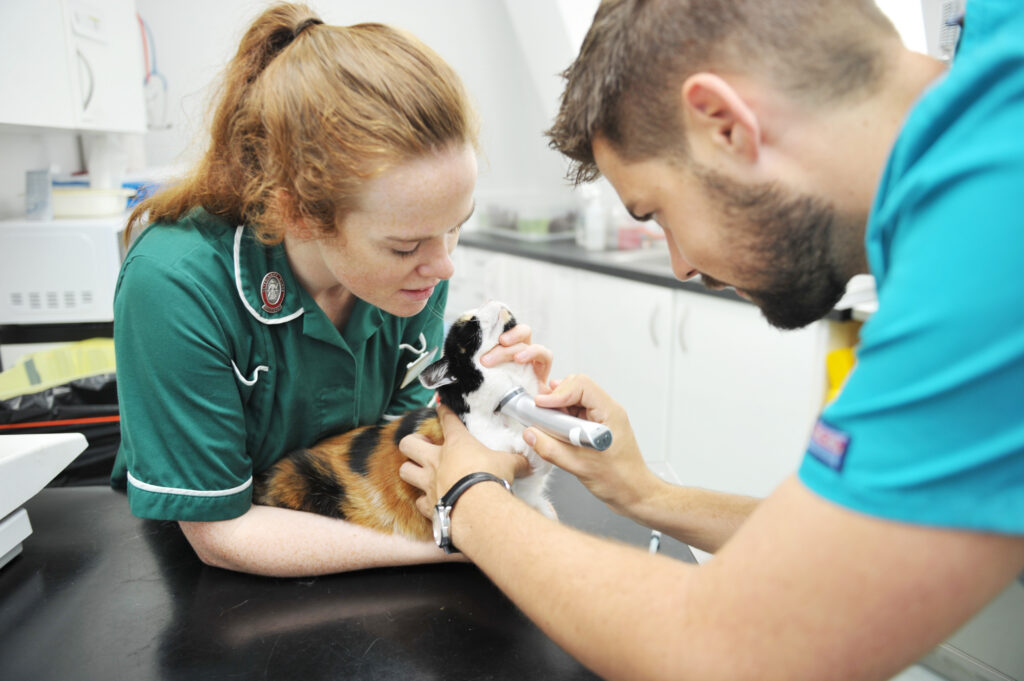
Post-operative/procedural clinics complete the picture by ensuring continuity of care following surgery/medical procedure. Through wound checks, bandage changes, and recovery assessments, and post-disease diagnosis, veterinary nurses provide reassurance to owners and help prevent complications. Veterinary nurses discuss medication, environmental modifications and management, and nutritional requirements – to name just a few areas. These appointments reinforce the idea that patient care does not end when the animal leaves the operating theatre/ward environment – it is an ongoing process.
Successfully implementing nurse-led clinics requires more than simply allocating appointment slots. Practices must ensure that clear protocols/frameworks are in place, outlining the scope of each clinic and when veterinary surgeon input is required. Veterinary nurses should be supported through continued training and encouraged to take ownership of their roles. When veterinary nurses feel confident and empowered, the quality of care they deliver naturally improves.
Equally important is communication within the practice team. Veterinary surgeons and reception teams must understand the value of nurse-led clinics and actively promote them to clients. When the entire team works together, these services become an integral part of the patient journey rather than an optional add on.
Ultimately, developing veterinary nursing services within practice is about raising standards of care. Nurse-led clinics enable practices to move beyond reactive medicine and towards a more preventative, patient-centred approach. In doing so, they not only improve clinical outcomes but also strengthen client relationships and enhance team satisfaction. By fully utilising the skills of veterinary nurses, practices can create a more balanced, efficient, and forward-thinking model of care.
Lyndsay Hughes, BVNA Senior Vice President